





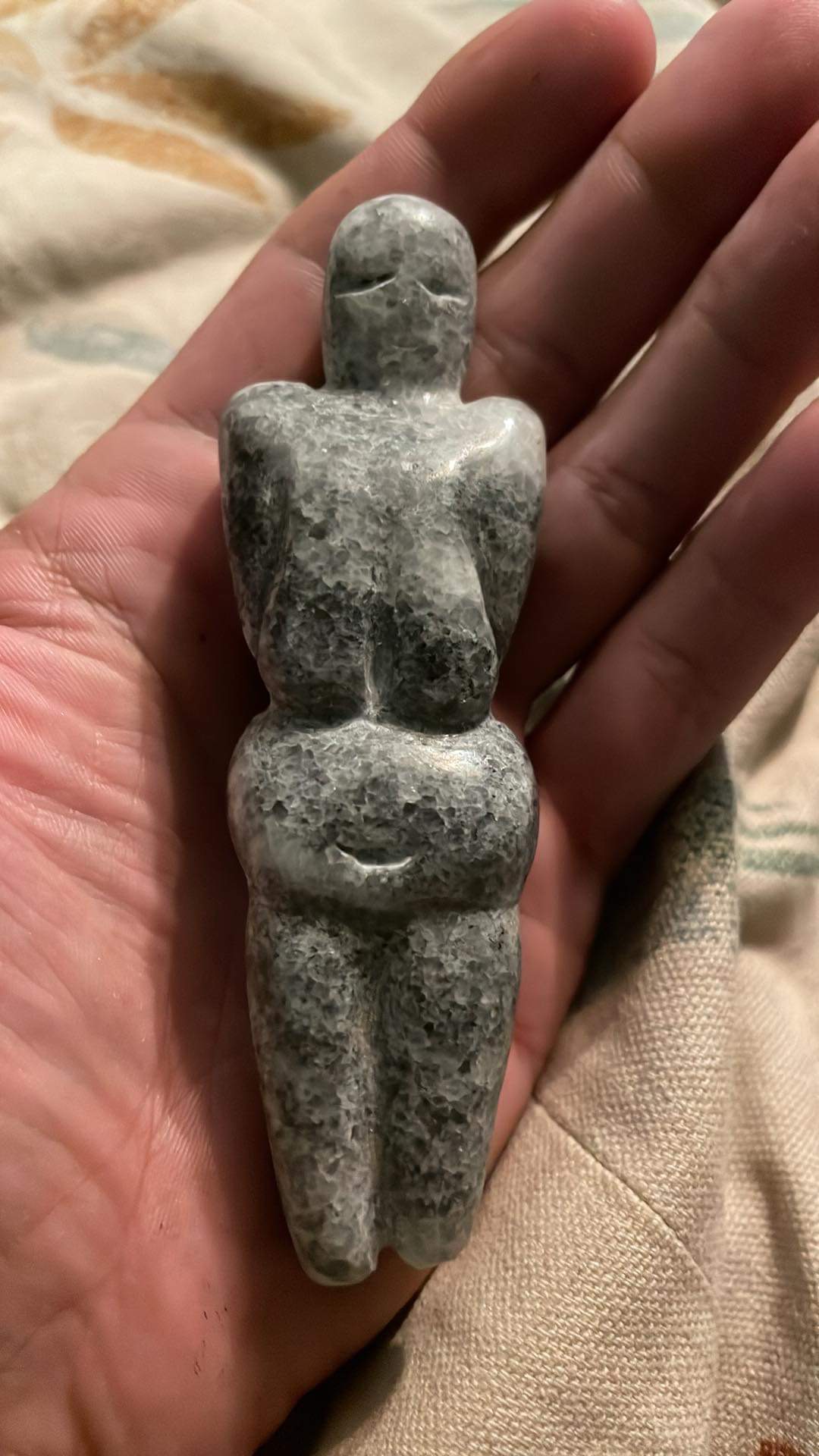

Description
Ancient Materials: Exploring Traditional Craft Through Earth, Stone, Bone & Shell
5-Day Intensive Residency
Course Description
Discover how the earliest artists and craftspeople transformed the natural world into tools, musical instruments, ornaments, and works of art.
This immersive five-day residency explores four of humanity’s oldest creative materials, clay, stone, bone, and shell, through a combination of archaeology, history, experimental craftsmanship, and hands-on making.
Rather than focusing on a single project, participants spend the week learning how different materials behave, why ancient cultures chose them, and how traditional techniques continue to inspire modern artists today.
Each day combines demonstrations, discussions, studio work, and cultural context, culminating in a final mixed-media creation that reflects each participant’s individual interests and newly acquired skills.
No prior experience is necessary.
Learning Objectives
Throughout the week participants will:
- Learn traditional approaches to working with natural materials.
- Explore archaeological discoveries and historical craftsmanship.
- Understand the cultural significance of handcrafted objects across diverse societies.
- Develop practical skills using multiple materials.
- Learn safe and responsible material sourcing.
- Create a personal portfolio of finished projects.
- Complete one original mixed-media capstone piece.
Day One
Earth & Fire
Clay as Humanity’s First Creative Medium
The week begins with one of the oldest artistic materials known to humanity.
Morning discussions explore the history of ceramics, early firing techniques, archaeological discoveries, and the development of ceramic musical instruments across the world.
Studio projects may include:
- Ceramic whistle
- Pendant
- Beads
- Miniature vessel
- Small ocarina
Topics include:
- Clay selection
- Hand-building techniques
- Surface decoration
- Ancient firing methods
- Experimental archaeology
Day Two
Stone
Shaping the Permanent
Stone has served humanity for thousands of years as both a practical and artistic material.
Participants learn basic carving, grinding, sanding, and polishing techniques while exploring the cultural importance of carved stone objects from around the world.
Projects may include:
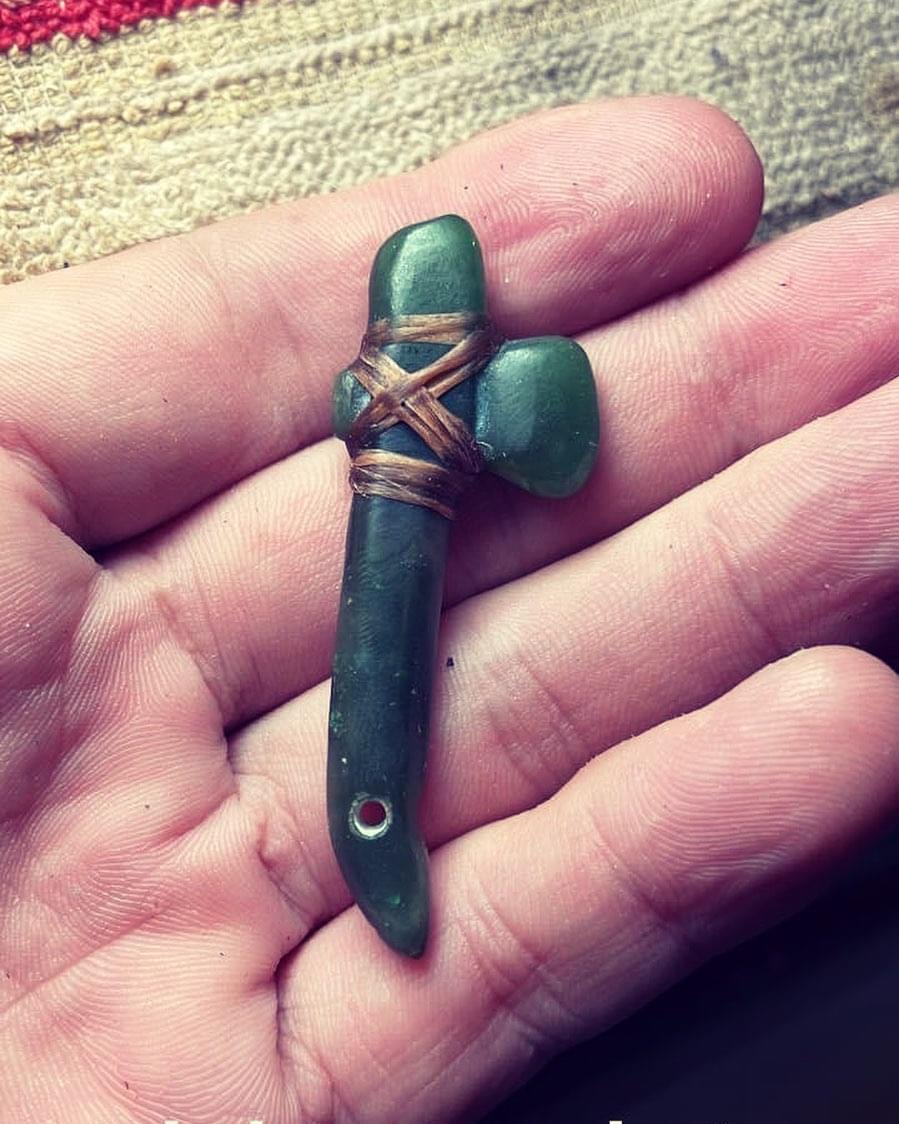
- Pendant
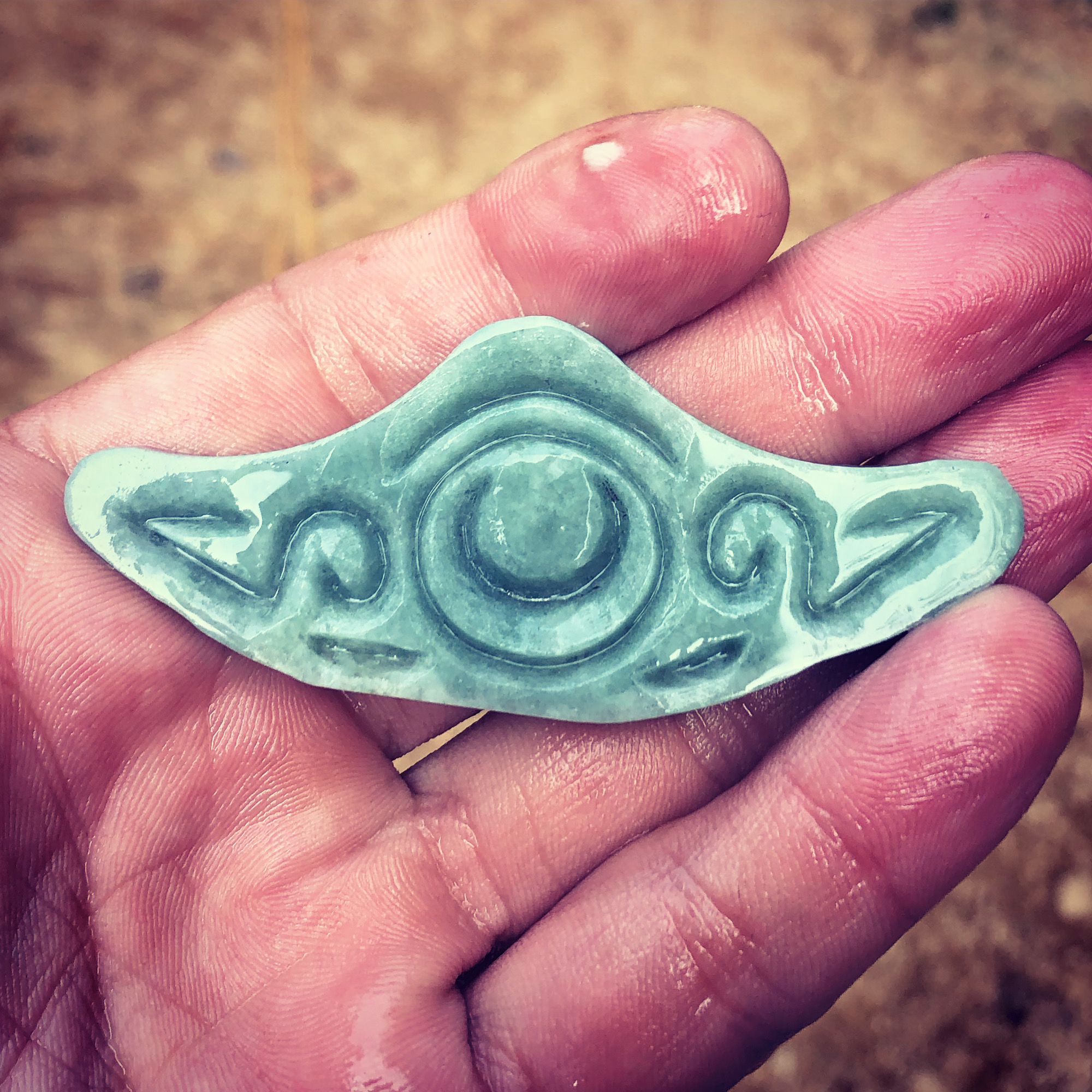
- Gorget
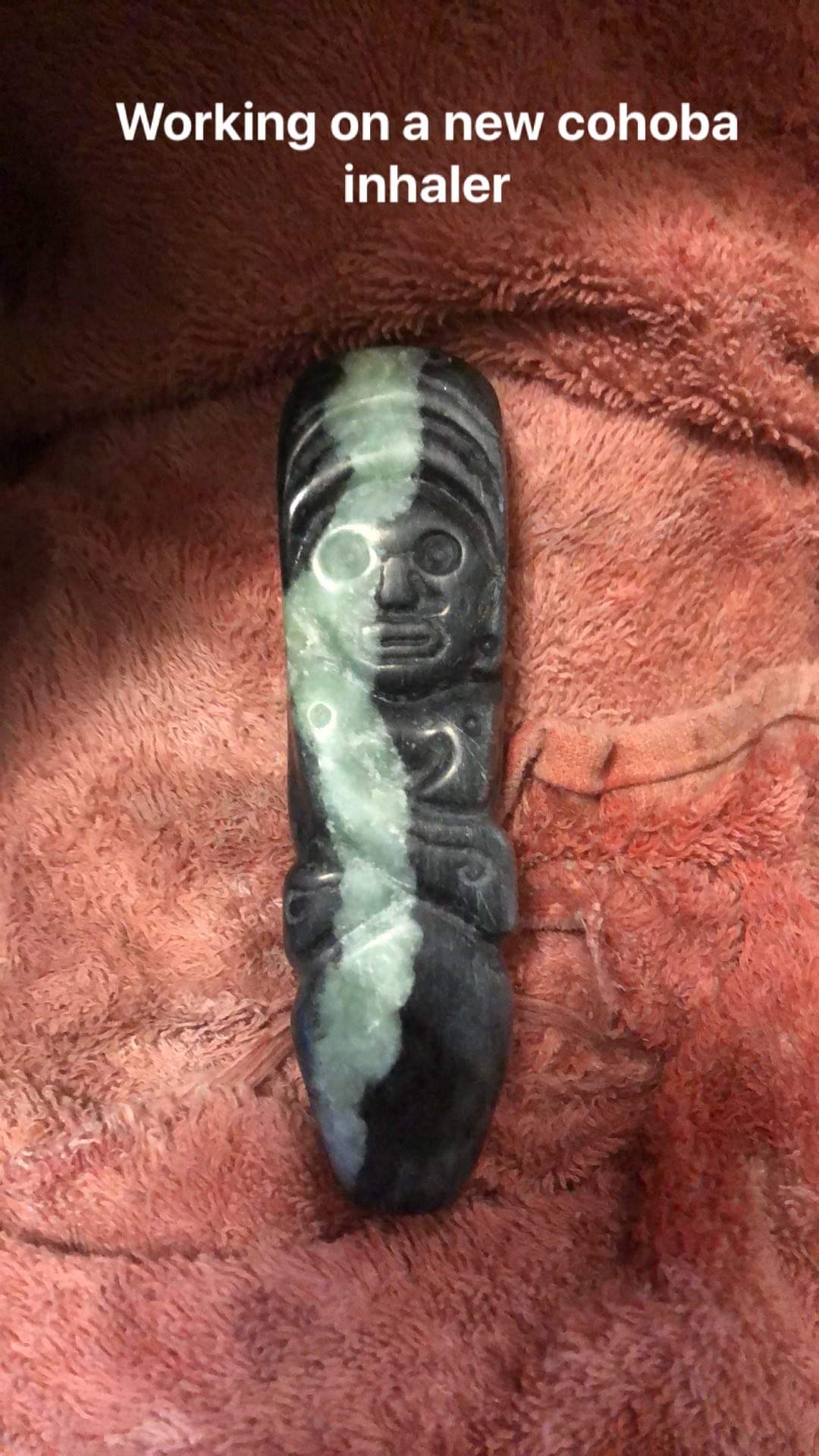
- Amulet
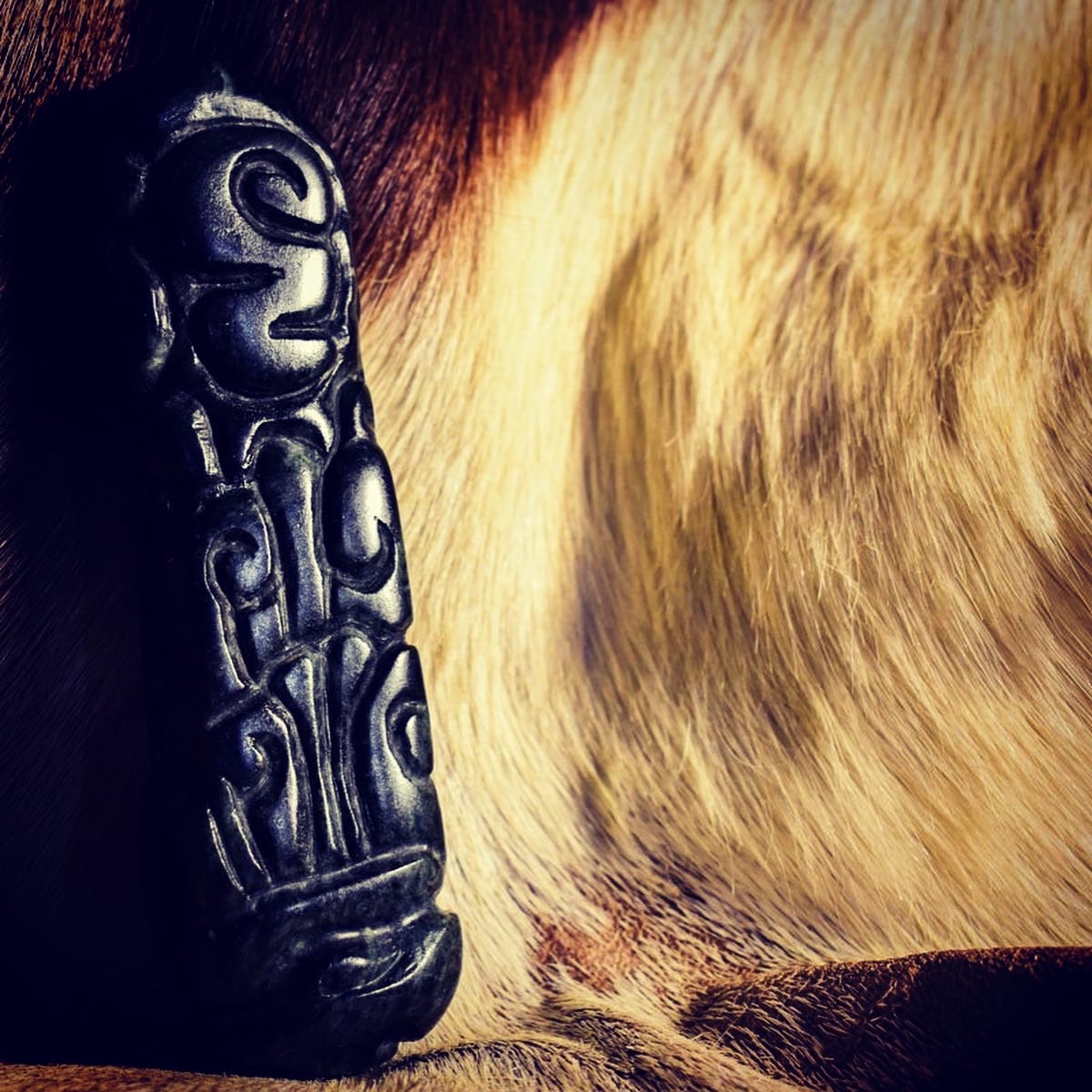
- Decorative carving
- Small sculptural object
Topics include:
- Stone identification
- Ancient carving techniques
- Abrasion and polishing
- Archaeological interpretation
- Trade and symbolism
Day Three
Bone & Antler
Nature’s Structural Material
Bone and antler have long been used to create tools, musical instruments, ornaments, and ceremonial objects.
Participants learn about ethical sourcing, preparation, shaping, and finishing while creating functional and decorative works.
Projects may include:
- Pendant
- Whistle
- Needle
- Awl
- Decorative carving
Topics include:
- Material preparation
- Traditional tools
- Historical uses
- Cultural significance
- Sustainable practices
Day Four
Shell
Sound, Ornament & the Sea
Shell has connected coastal cultures through trade, ceremony, music, and personal adornment for thousands of years.
Participants explore shell as both an artistic and functional material.
Projects may include:
- Shell pendant
- Beads
- Decorative carving
- Spoon or scoop
- Conch shell trumpet (additional fee applies)
Topics include:
- Marine archaeology
- Coastal trade networks
- Traditional shell working
- Historical symbolism
- Responsible sourcing
Day Five
Legacy Project
Bringing It All Together
The final day challenges participants to combine the techniques and materials explored throughout the week into one original work.
Rather than following a pattern, each participant develops a project inspired by their own interests while receiving individual guidance throughout the design and construction process.
Possible projects include:
- Mixed-media ceremonial rattle
- Flute with stone or shell embellishments
- Decorative wall piece
- Sculpture
- Personal altar object
- Museum-inspired reproduction
- Contemporary functional art
- Wearable artwork
The residency concludes with a digital documentation process where participants share their finished work, discuss their creative process, delve into their Maker’s Journal, and celebrate a week of learning, experimentation, and collaboration.
Included
- Five full days of instruction
- Hardbound Maker’s Journal
- Most project materials
- Studio access
- Daily lectures and demonstrations
- Reference materials
- Individual project guidance
- Certificate of completion
- Photo and video documentation, digital portfolio images of completed work
*Hardbound Maker’s Journal
More than a notebook, your Maker’s Journal becomes a permanent record of your immersion. Capture ideas, sketches, techniques, historical notes, and project plans while building a personalized reference you’ll return to for years. Printed course handouts and resource materials are conveniently mounted on the back pages for ongoing inspiration and future reference.
Ideal Participants
This residency is designed for:
- Artists
- Educators
- Museum professionals
- Archaeology enthusiasts
- Musicians
- Craftspeople
- Homeschool educators
- Lifelong learners
- College students
- Anyone curious about traditional craftsmanship
No previous artistic experience is required.
Optional Excursions
- River collecting
- Waterfalls
- Soapstone quarry
- Cherokee NC Museum trip
- Ancient sites (mounds, Track Rock site, more)
- Clay gathering
- Rock identification
- Medicinal plants
Why This Field School Is Different
Many workshops teach you how to make an object. This field school teaches you how to understand the material itself.
By exploring clay, stone, bone, and shell through the lenses of archaeology, history, and hands-on craftsmanship, you’ll gain a deeper appreciation for the ingenuity of ancient cultures and the timeless relationship between people, materials, and creativity.
Built Around Your Schedule
Unlike fixed workshop dates, our private immersions are scheduled around your availability. Whether you’re planning months in advance or looking for a creative escape that fits your calendar, we’ll work together to find dates that suit your schedule and design an experience tailored specifically to your interests.
Our Commitment to Safety
Every Maker’s School immersion begins with safety. Before introducing new tools, techniques, or materials, participants receive hands-on instruction covering proper handling, personal protective equipment, workshop etiquette, and safe studio practices. We believe that understanding how to work safely is an essential part of becoming a skilled maker, and these principles are reinforced throughout every project and demonstration.


